

Essential Tips for Effective Building Inspections
Building inspections are a crucial part of the construction and real estate industries. They ensure that structures are safe, compliant with regulations, and built to last. Whether you are a homeowner, a real estate agent, or a contractor, understanding how to conduct effective building inspections can save you time, money, and headaches down the road. In this post, we will explore essential tips for conducting thorough building inspections that will help you identify potential issues before they become costly problems.
Understanding the Importance of Building Inspections
Building inspections serve multiple purposes, including:
Safety Assurance: Inspections help identify safety hazards that could endanger occupants.
Regulatory Compliance: They ensure that buildings meet local codes and regulations.
Value Assessment: Inspections can affect property values, especially in real estate transactions.
Maintenance Planning: Regular inspections can help in planning maintenance and repairs, extending the life of the building.
By understanding these benefits, you can appreciate the importance of conducting thorough inspections.
Preparing for the Inspection
Preparation is key to a successful building inspection. Here are some steps to take before the inspection begins:
Gather Necessary Documentation
Before you start, collect all relevant documents, including:
Previous inspection reports
Building plans and blueprints
Maintenance records
Local building codes and regulations
Having this information on hand will help you understand the building's history and any previous issues.
Create a Checklist
A detailed checklist can guide you through the inspection process. Your checklist should include:
Structural elements (foundation, walls, roof)
Electrical systems
Plumbing systems
HVAC systems
Safety features (smoke detectors, fire alarms)
This checklist will ensure that you do not overlook any critical areas during the inspection.
Conducting the Inspection
When it comes time to conduct the inspection, follow these tips to ensure thoroughness:
Start from the Outside
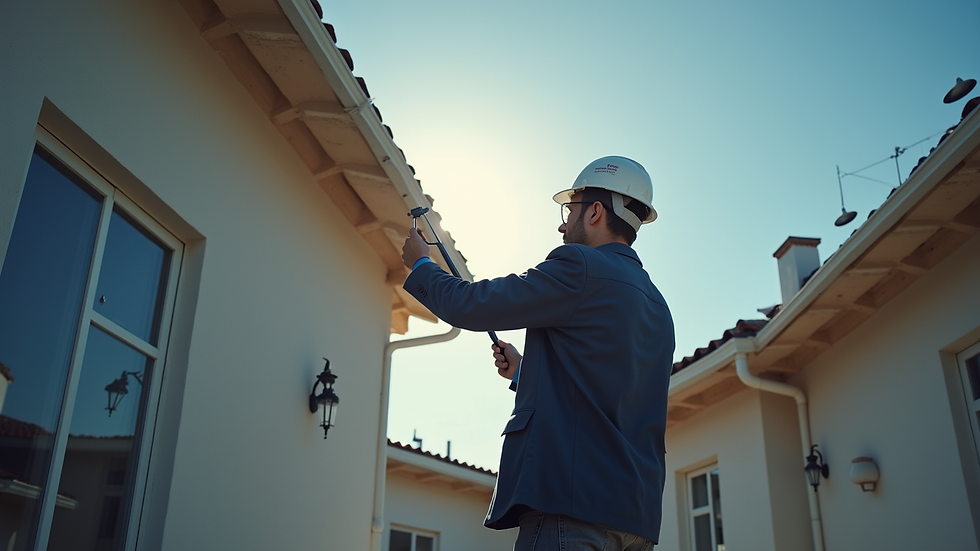
Begin your inspection from the exterior of the building. Look for:
Cracks in the foundation
Signs of water damage
Condition of the roof and gutters
Integrity of windows and doors
By starting outside, you can identify potential issues that may affect the interior.
Move Inside Methodically
Once you have inspected the exterior, move inside. Follow a systematic approach:
Basement and Crawl Spaces: Check for moisture, mold, and structural integrity.
Main Living Areas: Look for signs of wear and tear, such as cracks in walls or ceilings.
Kitchens and Bathrooms: Inspect plumbing fixtures, appliances, and ventilation systems.
Attics: Check for insulation, ventilation, and signs of pests.
Use Technology to Your Advantage
Consider using technology to enhance your inspection process. Tools such as thermal imaging cameras can help identify hidden issues like moisture intrusion or insulation gaps. Drones can also be useful for inspecting hard-to-reach areas, such as rooftops.
Identifying Common Issues
During your inspection, be on the lookout for common issues that can arise in buildings:
Structural Problems
Cracks in Walls: These can indicate settling or foundation issues.
Sagging Roofs: This may suggest structural failure or inadequate support.
Electrical Issues
Outdated Wiring: Older buildings may have wiring that does not meet current safety standards.
Overloaded Circuits: Look for signs of overheating or tripped breakers.
Plumbing Problems
Leaky Pipes: Check for water stains or dampness around fixtures.
Poor Water Pressure: This can indicate blockages or leaks in the plumbing system.
HVAC Concerns
Inadequate Ventilation: Ensure that all rooms have proper airflow.
Old or Inefficient Systems: Consider the age and efficiency of heating and cooling systems.
Documenting Your Findings
After completing the inspection, it is essential to document your findings thoroughly. Here are some tips for effective documentation:
Take Detailed Notes
Record your observations in detail, noting the location and nature of any issues. This will be helpful for future reference and for communicating with clients or contractors.
Use Photographs
Photographs can provide visual evidence of issues. Take clear pictures of problem areas and include them in your inspection report.
Prepare a Comprehensive Report
Compile your notes and photographs into a comprehensive inspection report. This report should include:
A summary of findings
Recommendations for repairs or further evaluations
Any relevant codes or regulations
Communicating with Stakeholders
Effective communication is vital after the inspection. Here are some tips for discussing your findings:
Be Clear and Concise
When presenting your findings, use clear language and avoid technical jargon. Ensure that all stakeholders understand the issues and their implications.
Prioritize Issues
Not all issues are created equal. Prioritize findings based on severity and urgency. This will help stakeholders focus on what needs immediate attention.
Offer Solutions
Whenever possible, provide solutions or recommendations for addressing the identified issues. This can help stakeholders make informed decisions.
Following Up
After the inspection and communication, it is essential to follow up on any recommendations made. Here are some steps to consider:
Schedule Repairs
If repairs are necessary, help stakeholders schedule them promptly. Delaying repairs can lead to more significant issues down the line.
Conduct Re-Inspections
For significant repairs or renovations, consider conducting follow-up inspections to ensure that work has been completed to standard.
Maintain Regular Inspections
Encourage stakeholders to schedule regular inspections to catch potential issues early. This proactive approach can save time and money in the long run.
Conclusion
Conducting effective building inspections is a vital skill that can benefit homeowners, real estate professionals, and contractors alike. By preparing thoroughly, using a systematic approach, documenting findings, and communicating effectively, you can ensure that your inspections are comprehensive and valuable. Remember, the goal is not just to identify problems but to provide solutions that enhance safety and longevity.
Take the time to invest in your inspection process, and you will reap the rewards of a well-maintained building. Whether you are inspecting your own property or assisting clients, these essential tips will guide you toward successful inspections that protect investments and ensure safety.


Comments